An honest guide to using a humidifier during Lahore and Punjab winters: dry indoor air, smog season, choosing a size, safe cleaning and common mistakes.
Winter in Lahore and much of Punjab brings cold mornings, foggy roads and, in recent years, heavy smog. Many homes run gas heaters or electric heaters for hours, and windows stay closed to keep warmth in and smoke out. The result is often indoor air that feels dry: lips crack, throats feel scratchy in the morning and wooden furniture can creak. This is where people start looking at humidifiers. It is worth understanding clearly what a humidifier can and cannot do before buying one.
A humidifier adds water vapour to the air. That is all. In a dry room, extra moisture can make the air feel more comfortable, may ease dry skin and lips, and can help people who wake up with a dry nose or throat. Some people also like using a diffuser-style unit for a light fragrance or a calming night light.
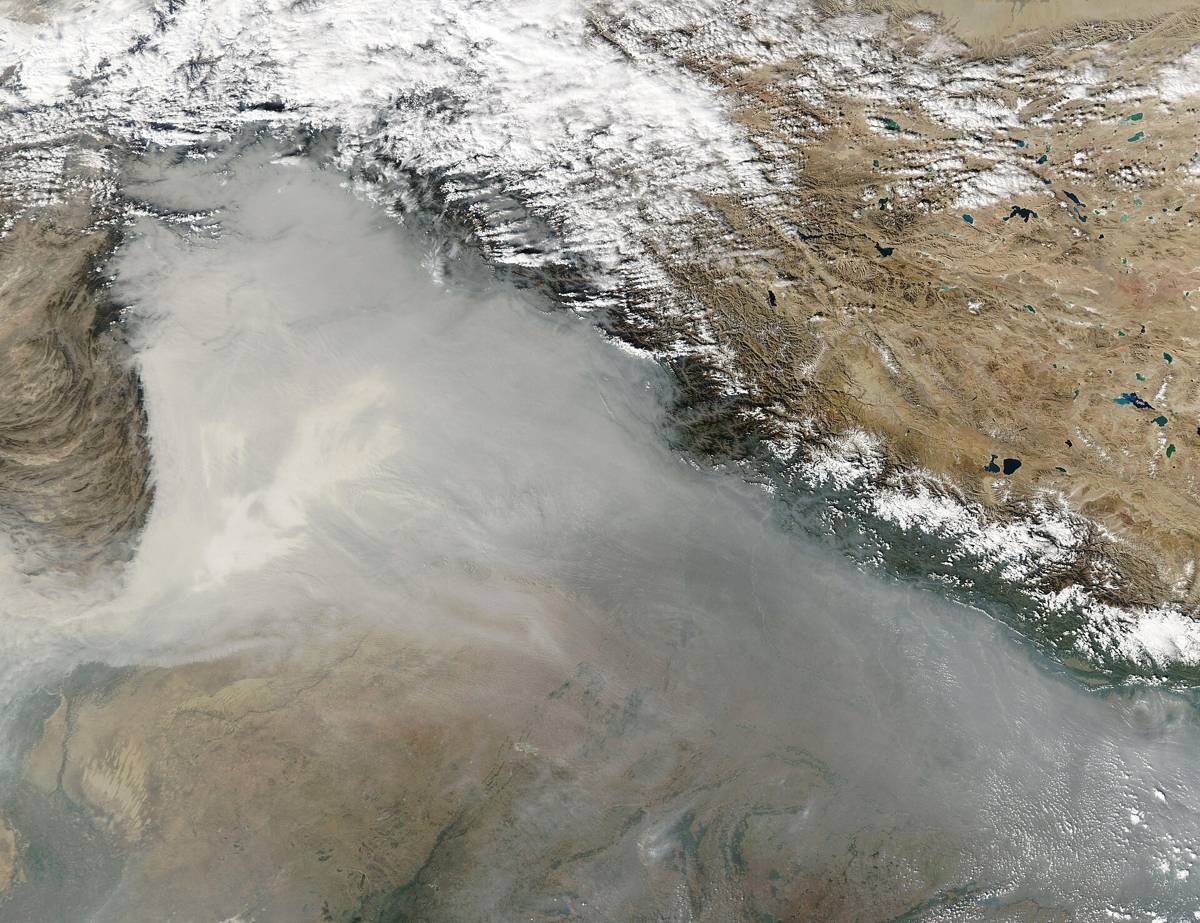
A humidifier does not clean the air. It does not remove smoke, dust or the fine particles that make up smog. During smog season, outdoor air pollution is a serious health concern; the World Health Organization's information on ambient air quality and health explains why fine particles are harmful. If your main worry is smog, follow official advisories, keep windows closed on bad days, reduce outdoor exposure, consider a proper mask outdoors and look into an air purifier with a suitable filter. A humidifier is a comfort device, not a substitute for any of these.
You do not need special equipment to notice dry air, though a cheap hygrometer helps if you want a number. Common signs include:
Too much moisture causes its own problems. Damp air encourages mould and dust mites, and you may see condensation on windows or walls. Older houses with poor ventilation and rooms that already feel damp are more at risk. Run the humidifier for a few hours rather than all day and night, and stop if you see water collecting on window glass. Open a window briefly when air quality allows, to let the room breathe.
The biggest mistake people make with humidifiers is not cleaning them. Standing water in the tank can grow bacteria and mould, which are then sprayed into the air. The US Environmental Protection Agency's advice on the use and care of home humidifiers recommends emptying the tank, drying surfaces and cleaning the unit regularly, and using water with a low mineral content. A simple routine:
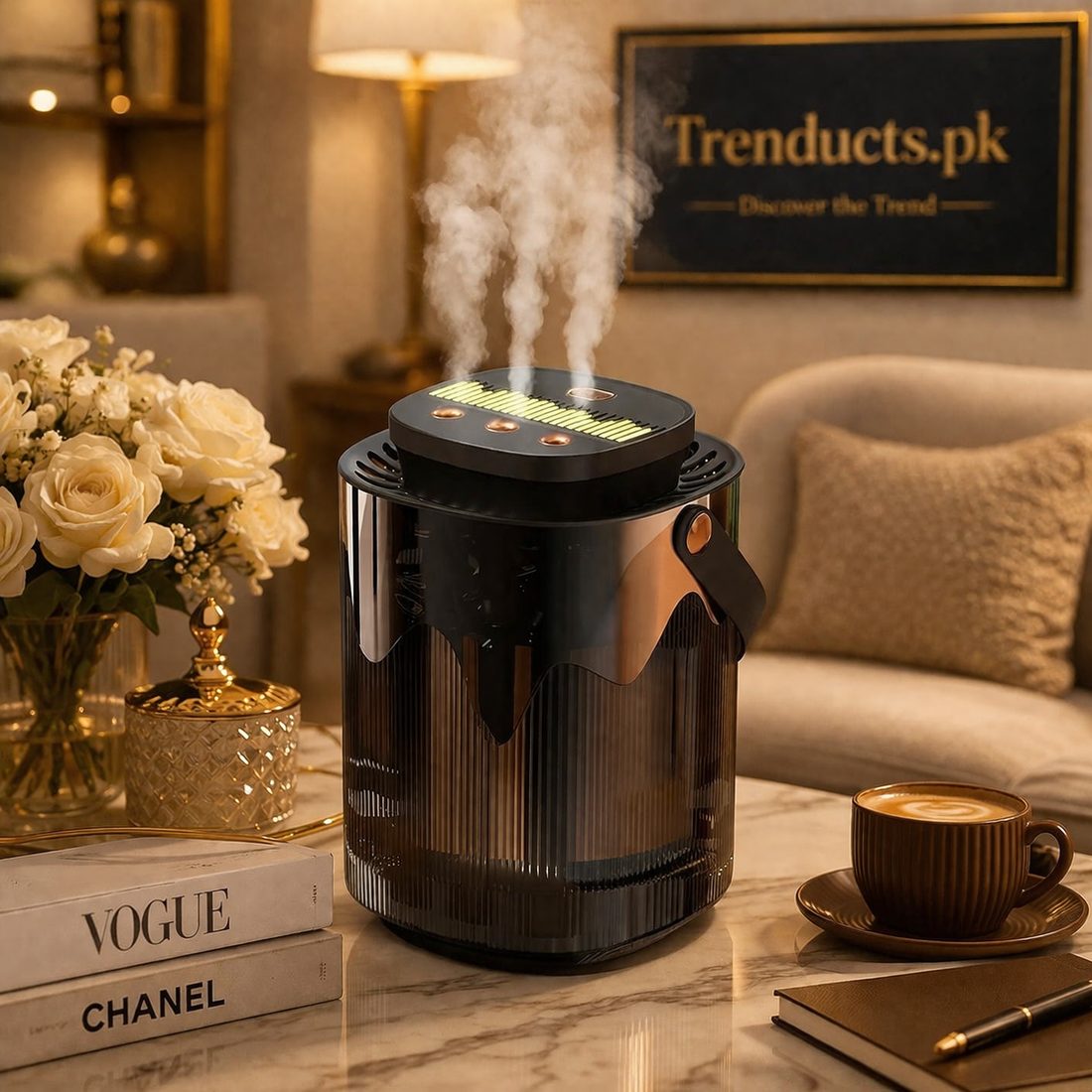
Small USB and desk units are designed for the space right around you, such as a bedside table or a work desk. They are quiet and cheap to run, but they will not change the humidity of a large drawing room. Larger tank units with stronger output suit bedrooms. Check the tank capacity, how long it runs on one fill, whether it switches off automatically when empty, and how easy it is to open and clean.
If you use a gas heater, safety comes first. Make sure the room has some ventilation and that a carbon monoxide risk is never ignored. Never place a humidifier right next to a heater or near electrical sockets where water could drip. Keep it on a flat, stable surface off the floor, away from bedding and out of reach of small children.
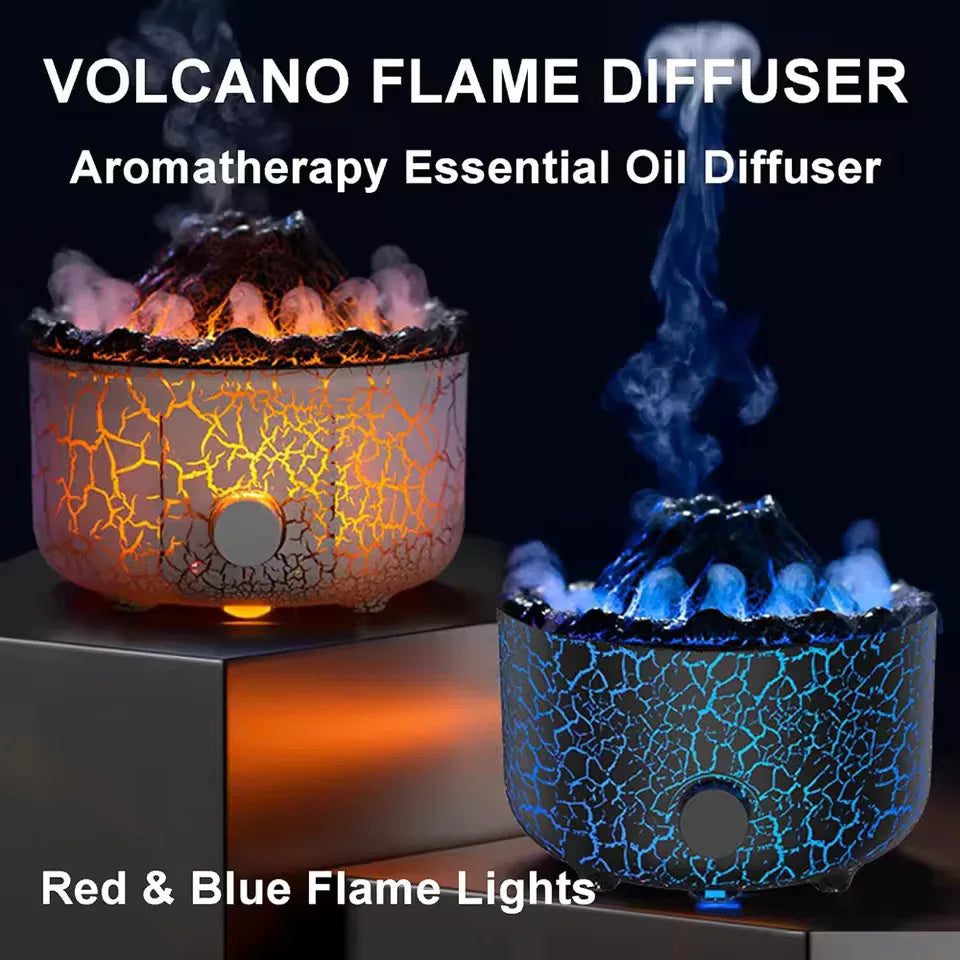
Many small units are sold as aroma diffusers. A few drops of oil can be pleasant, but some people, including children, pregnant women and people with asthma, can be sensitive to strong scents. Use oils sparingly, only in units designed for them, and keep the room ventilated. Pets can be sensitive too.
Run the unit for a couple of hours in the evening and while you sleep if the room is dry, clean it regularly, and keep an eye on the windows for condensation. Combine it with sensible winter habits: drink enough water, use a moisturiser and lip balm, and keep heaters at a moderate setting.
If you decide a humidifier suits your room, you can compare small desk units, larger tank models and diffusers in the humidifiers and diffusers range, with delivery across Pakistan. Choose based on room size and how easy the unit is to clean, not only on the lights and design.